
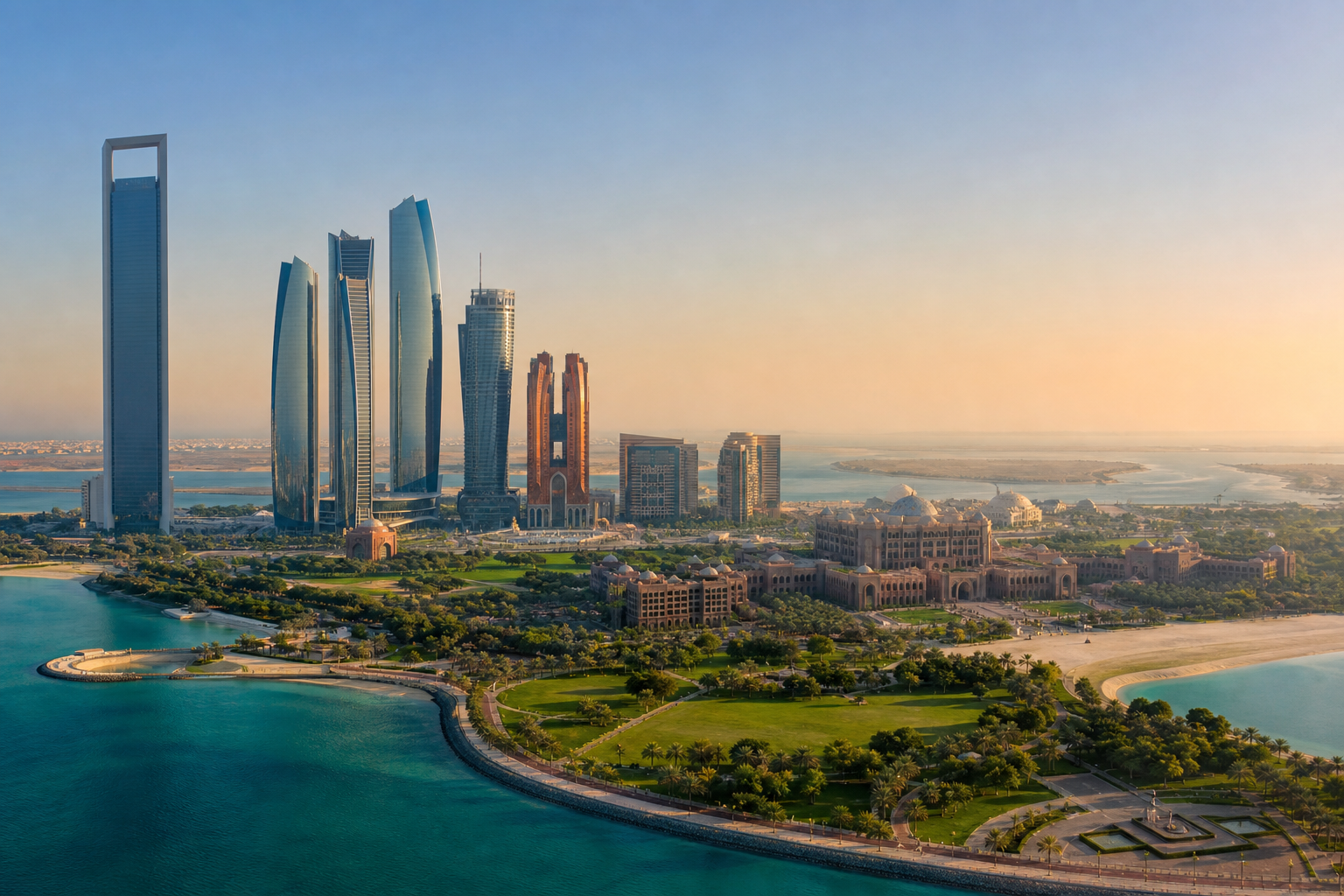
A Practical Guide to abu Dhabi Community Overview
Abu Dhabi’s residential landscape spans island living, established urban districts, and emerging master-planned communities. This practical overview is designed to help you understand the major community themes, narrow options quickly, and evaluate day-to-day fit using repeatable checklists and questions. You will also find examples of well-known areas referenced in public project showcases such as Hudayriyat Island (Nawayef Heights), Al Reem Island (Muheira), Bloom Living in Zayed City (Almeria), Fay Alreeman, and waterfront concepts like Fahid Beach Residences.
How to use this guide
Approach community selection in three short passes so you avoid information overload and keep comparisons apples-to-apples.
- Orientation pass: Decide the living setting you prefer first—coastal island, urban island, city-core district, or inland master-planned community.
- Shortlist pass: Build a list of 3–5 communities that match your top three non-negotiables (for example: apartment tower vs villa, proximity to specific institutions, or waterfront adjacency).
- Deep-dive pass: For each finalist, test daily-life scenarios (morning routine, grocery run, weekend activities) and verify the practicalities outlined in this guide.
Key community themes across Abu Dhabi
While each neighborhood has its own character, most choices align with a few durable themes. Identify the theme that best fits your lifestyle and property goals before comparing individual buildings or streets.
- Coastal active-lifestyle zones: Areas designed around beaches, cycling and running tracks, and outdoor facilities. Publicly showcased examples include Hudayriyat Island (Nawayef Heights).
- Urban island living: High-rise apartments, city views, and mixed-use promenades. Al Reem Island (Muheira) often appears in project showcases as a reference point for this style.
- Master-planned inland communities: Large, multi-phase developments with residential clusters, schools, and town centers organized under a unifying plan—such as Bloom Living in Zayed City (Almeria) and villa-focused districts like Fay Alreeman.
- Waterfront residence concepts: Apartment or mixed-use properties with visual or physical access to water amenities, like the Fahid Beach Residences concept seen in public showcases.
Use these themes as filters; a clear theme drastically reduces the number of candidates and helps you weigh trade-offs consistently.
Housing types and living formats
Before zoning in on a specific community, decide which housing format realistically fits your lifestyle and budget parameters. Common formats include:
- High-rise apartments: Suited to residents who prefer compact living, building amenities, and quick access to mixed-use promenades. Typically found in urban islands and city-core districts.
- Low- to mid-rise apartments: Often part of master-planned clusters with community parks and local retail. Good for a quieter pace without committing to a villa.
- Townhouses: Multi-level homes with private entrances, usually in master-planned inland areas. Balance between apartment convenience and villa privacy.
- Villas: Standalone or semi-detached homes that emphasize space and privacy; frequently highlighted in planned communities like Fay Alreeman.
Shortlist at least two communities per preferred housing type so you can compare layouts, access, and surrounding infrastructure with a similar baseline.
Daily-life amenities and access
Evaluate each community through the lens of recurring weekly tasks. Rather than collecting broad descriptions, test specific, repeatable scenarios you can independently verify when visiting or reviewing official community maps and brochures.
Essential amenities to check:
- Groceries and daily retail: Where is the nearest full-service supermarket? Are there smaller convenience stores for late-evening needs?
- Healthcare touchpoints: Proximity to clinics, pharmacies, and hospitals along your regular routes.
- Education options: School and nursery placement within or near the community, plus typical drop-off/pickup routing.
- Recreation and green space: Beaches, waterfront promenades, running or cycling paths, playgrounds, or sports facilities (for example, active-lifestyle planning seen in Hudayriyat Island showcases).
- Dining and cafes: Street-level retail or a community center with eateries for informal meetups and work-from-cafe days.
- Places of worship and cultural venues: Note locations you’ll visit weekly, not just special occasions.
- Parking and building access: Visitor parking protocols, drop-off bays, and lobby access for deliveries.
Access patterns to consider:
- Primary road approaches: Identify two alternative routes in and out of the community for resilience during peak times or diversions.
- Public or private transport options: Note nearby bus stops, taxi pick-up points, ride-hailing zones, and shuttle services where applicable.
- Micromobility: If you prefer walking or cycling, confirm continuous sidewalks, crossings, and safe cycling links to parks and waterfronts.
Community planning and design cues
Small design choices have large impacts on day-to-day comfort. When touring or researching, focus on cues that indicate long-term livability:
- Street hierarchy and pacing: Clear separation of major roads, internal neighborhood streets, and pedestrian paths.
- Block and cluster layout: Buildings and homes arranged to optimize privacy, daylight, and pocket parks.
- Wayfinding and signage: Legible signage for drivers and pedestrians reduces friction for guests, deliveries, and service providers.
- Mixed-use activation: Ground-floor retail and community centers support vibrant street life and reduce unnecessary trips.
- Shaded routes and microclimate: Arcades, planting, and shade structures can improve walkability during hotter months.
- Public realm maintenance approach: Look for consistent landscaping, clean promenades, and well-kept shared facilities.
Lifestyle match checklist
Use this quick checklist to sanity-check a community’s fit. A strong match typically shows consistent “yes” answers across your top priorities.
- My preferred home type (apartment, townhouse, villa) exists in multiple options within this community.
- I can complete my essential weekly errands within short, predictable trips.
- There are specific parks, waterfronts, or recreation routes I can see myself using regularly.
- Visitor parking, deliveries, and drop-offs work smoothly for my household’s patterns.
- There are at least two reliable approaches to enter and leave the area.
- Noise exposure and privacy feel acceptable at different times of day.
- The community plan and ongoing maintenance suggest durability and care.
Comparing established vs emerging areas
Abu Dhabi offers a blend of mature urban districts and emerging master-planned zones. Here is a neutral way to compare them without relying on speculation.
- Established districts: Typically feature built-out retail, recognizable landmarks, and a stable rhythm of daily life. Expect clearer patterns for traffic, footfall, and community events.
- Emerging master plans: Often provide new-build residences, evolving amenity sets, and phased rollouts. Review official phasing maps and timelines when available and plan for changes over time.
Examples referenced in public showcases—such as Al Reem Island (urban island) and Bloom Living in Zayed City (master-planned)—illustrate the range of choices without prescribing any single “best” option. Your needs and timeline should drive selection.
Site visit and diligence steps
When you’re ready to go beyond brochures, take these steps to validate day-to-day living:
- Visit at varied times: Compare weekday mornings, late afternoons, and weekend evenings to understand rhythms.
- Test your commute substitutes: Even if you do not have a fixed office, simulate common routes to schools, sports facilities, or frequent destinations.
- Walk the last 500 meters: From parking or drop-off to your building entrance, assess lighting, shade, and safety features.
- Check retail cadence: Observe whether daily-needs stores are open when you usually shop.
- Speak with residents or building staff where appropriate: Ask practical, verifiable questions about maintenance response times and shared facility usage patterns.
- Review community rules: Note guidelines relevant to renovations, pets, deliveries, and facility bookings, as provided by official community materials.
Questions to ask before you commit
Use these prompts to surface trade-offs and confirm alignment with your priorities:
- Does the community’s design theme match how I relax and spend weekends (beachfront promenades, sports parks, or quiet pocket gardens)?
- Will the housing format I prefer remain available in sufficient variety for the next few months while I decide?
- Are there nearby institutions I will use frequently, and are routes predictable at the times I travel?
- How will planned phases or nearby projects change the area’s amenity mix over time?
- Do building management practices and public-realm maintenance meet my expectations during site visits?
Building a balanced shortlist
After your initial research, choose three to five communities that intentionally cover different living themes. A balanced shortlist might include:
- One coastal or active-lifestyle area (for example, an island with outdoor facilities referenced in showcases like Hudayriyat Island).
- One urban island with high-rise options (for instance, Al Reem Island-styled living).
- One inland master-planned option emphasizing villas or townhouses (e.g., communities similar in structure to Fay Alreeman or Bloom Living in Zayed City).
- One waterfront apartment concept for comparison (such as the approach seen in Fahid Beach Residences).
Comparing across themes helps you pinpoint what truly matters—views, privacy, outdoor access, or proximity to district centers—and prevents overfitting to a single brochure’s strengths.
Buyer and renter considerations
Whether you plan to buy or rent, align the community with your holding horizon and flexibility needs.
- If renting: Focus on practical access, building management responsiveness, and flexibility to move within the same community as needs evolve.
- If buying for own use: Prioritize floor plan functionality, noise/privacy at different times, and community maintenance standards you can observe firsthand.
- If buying as an investor: Consider how the community’s theme and amenity mix may appeal to your likely tenant profile. Cross-check with multiple comparable communities to avoid overreliance on any single reference point.
For any financial, legal, or tax-related decisions, consult qualified professionals. Community overviews like this guide are informational and not financial, legal, or investment advice.
FAQs
What types of communities are commonly highlighted around Abu Dhabi?
Publicly showcased examples frequently reference coastal active-lifestyle islands (such as Hudayriyat Island’s Nawayef Heights), urban island living (like Al Reem Island’s Muheira), large master-planned districts (for example, Bloom Living in Zayed City’s Almeria and villa areas like Fay Alreeman), and waterfront apartment concepts (such as Fahid Beach Residences). These illustrate the spectrum from beach-oriented to urban high-rise and villa-focused living.
How should I compare two communities that seem similar on paper?
Use controlled scenarios: replicate a weekday morning routine, a grocery run, and a weekend outing in both areas. Note parking flow, elevator wait times, walking shade, and the availability of daily-needs retail during your typical hours. Keep notes in a single matrix so you can compare like for like.
Is it better to choose an established district or an emerging master plan?
Neither is universally better. Established districts often provide a stable rhythm and mature amenities, while emerging master plans can offer new-build options and evolving facilities. Your decision should match your timeline, tolerance for change during phased development, and the specific housing formats you prefer.
How many communities should be on my shortlist?
Three to five is a practical range. Include at least two that deliver your preferred housing type and one that challenges your assumptions (for instance, comparing an urban island apartment with a master-planned townhouse cluster).
What’s the most efficient first step if I’m overwhelmed?
Pick a living theme first—coastal active-lifestyle, urban island, master-planned inland, or waterfront apartment concept—then select two communities within that theme. Visit at different times of day and score each against the lifestyle match checklist above.

Join The Discussion